
An Incredibly Easy Method That Works For All
10 Apr 2021
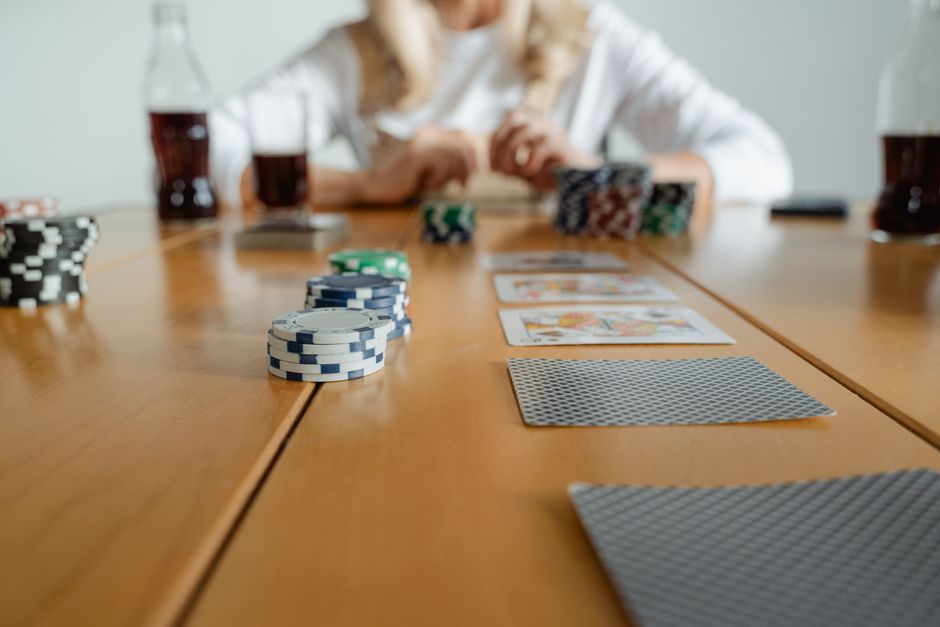
Every gambler has heard the phrase. The house always wins. It's usually delivered with a smug smile by someone who's never placed a bet in their life, and it's technically, mathematically, undeniably true. Casinos don't build billion-dollar towers in Macau and Vegas out of charity. But here's the thing that smug friend never understands: the house edge doesn't mean you lose every session. It means the game is priced a certain way over millions of spins. In the short run, the run that actually matters to you, variance is your best friend or your worst enemy. So the real question isn't whether the house wins. It's whether you understand the terms of the deal you're walking into.
Not all casino games are built the same. The gap between a good bet and a terrible one is enormous, and most casual players never bother to look. Here's the reality of house edges on the most popular games:
If you're playing slots at a 10% edge and your buddy is grinding blackjack at 0.5%, you're giving away twenty times the value per dollar wagered. That's not bad luck. That's a choice.
Let's be honest about slots. You cannot count cards. There's no skill component that shifts the math in your favor. Anyone selling you a "slot system" is selling you a story. What you can do is make smarter choices about which slots you play.
Look for machines with published RTPs. Online slots almost always list them, and the difference is real. A 96.5% RTP slot versus a 92% slot doesn't sound dramatic until you run the numbers: over $10,000 in total wagers, that's a $450 difference in expected loss. Over a year of regular play, it's thousands.
Volatility matters too. High-volatility slots (think big jackpots, rare wins) will gut your bankroll on a bad night but can pay enormous sums. Low-volatility games dribble out smaller, more frequent wins. Neither is "better" — they suit different bankrolls and different temperaments. If you're playing with $50, a penny slot with extreme volatility is a coin flip on whether you even get an hour of entertainment.
Poker isn't you against the house. It's you against other players, with the house skimming a rake. That single fact changes everything. The house edge isn't fixed — it's the sum total of every mistake your opponents make, minus the rake. In a soft game, a skilled player can have a positive expected value. In a tough game full of pros, even excellent players grind out thin margins. Those comparing choices often turn to สล็อต.
This is why game selection is more important than almost any technical skill. Sitting in a game where you're the eighth-best player is a slow, painful way to donate. Finding a table full of loose, calling-station types who play every hand is a printing press if you have patience and discipline. Most winning players will tell you the same thing: they'd rather play mediocre poker in a great game than great poker in a mediocre one.
The rake deserves attention too. A 5% rake capped at $5 in a $1/$2 game is manageable. Same rake in a $0.25/$0.50 game is a death sentence — it eats a far larger slice of every pot, and no amount of skill overcomes it. If you're playing micro-stakes live, understand that you're largely playing for fun, because beating the rake is close to impossible.
Sports betting has exploded in the US since 2018, and with it a generation of bettors who think they have an edge because they watch a lot of football. Watching is not the same as pricing. Bookmakers employ quants, use sophisticated models, and adjust lines constantly based on where money flows. To beat them long-term, you need either superior information, a faster reaction time to news, or a market they've priced lazily.
Line shopping is the single easiest edge available to recreational bettors. The same game might be priced at -3 at one book and -3.5 at another. Taking the better line doesn't feel dramatic, but over hundreds of bets it's the difference between a losing year and a break-even or winning one. Closing line value — whether the line moves in your favor after you bet — is a better predictor of long-term profitability than your win-loss record on any given weekend.
Nobody wants to hear this part. Everybody wants the hot tip, the system, the secret. Here's the unglamorous truth: the players who last are the ones who treat gambling like an expense and manage it accordingly. They set a monthly figure they're comfortable losing, they never chase losses with rent money, and they walk away when they hit their number — either direction.
The gambling industry is designed to make you play longer, bet bigger, and come back. Free spins, cashback offers, reload bonuses — these aren't gifts, they're retention mechanics with wagering requirements attached. Read the terms. A 100% match bonus with 40x wagering on slots is worth far less than it looks.
The house edge is real, but it's not destiny. It's a tax on every wager, and the size of that tax depends entirely on the decisions you make: which games you play, how much you stake, how well you shop lines, and whether you stick to a plan when things go sideways. The players who lose consistently aren't unlucky — they're playing expensive games badly and calling it bad fortune. The people who survive and occasionally thrive do the boring things: they pick low-edge games, they respect variance, they find soft competition, and they never let a losing streak dictate their next bet. That's not romantic. It's just how it works.

Gm Building Design No rushing, no fuss — just thoughtful notes and practical help, written by people who care.

April 25, 2019 at 10:46 am
Take in the iconic skyline and visit the neighbourhood hangouts that you've only ever seen on TV. Take in the iconic skyline and visit the neighbourhood.


Want to be notified when we launch a new template or an udpate. Just sign up and we'll send you a notification by email.


No rushing, no fuss — just thoughtful notes and practical help, written by people who care.

Soldman Kell
April 25, 2019 at 10:46 am
Take in the iconic skyline and visit the neighbourhood hangouts that you've only ever seen on TV. Take in the iconic skyline and visit the neighbourhood.