
An Incredibly Easy Method That Works For All
10 Apr 2021
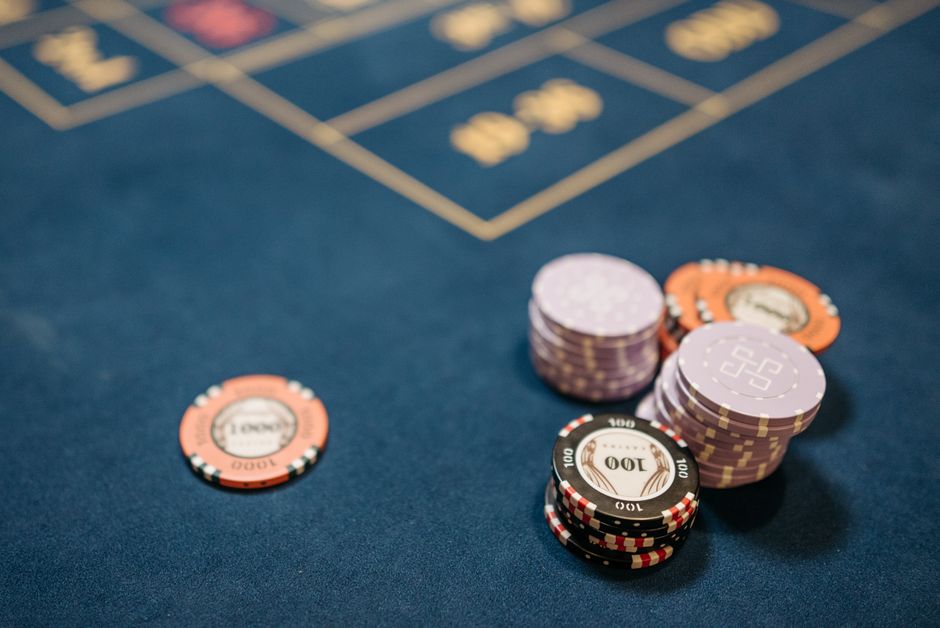
Every gambler has heard the phrase. The house always wins. It is printed on the subconscious of anyone who has ever dropped a coin into a slot machine or pushed a stack of chips across a felt table. And yet, year after year, millions of people log into online casinos, fire up poker clients, and place accumulator bets on Sunday afternoon fixtures. If the house truly always wins, why does anyone bother? The answer is more interesting than most people realize, and understanding it is the difference between being a mark and being a player.
The house doesn't win every hand, every spin, or every bet. It wins over time, across thousands of decisions, because of a small mathematical edge baked into every game. What separates a losing player from a winning one is not luck. It is whether they understand that edge, and whether they choose games and strategies where they can either erode it or use it in reverse. Let's break down how that actually works across the major verticals.
Before you deposit a single euro, you should know the house edge of whatever you are about to play. This is the percentage of every wager the casino expects to keep over the long run. It varies wildly by game, and that variance is your single biggest lever. For practical tips, check out https://winvn.company/.
Look at that spread. A player who spends their bankroll on blackjack with basic strategy is facing an edge almost fifty times smaller than someone hammering a keno ticket. Over a weekend, that difference is the gap between losing a little, breaking even, or walking away up. The lesson is blunt: if you are going to gamble recreationally, at least pick games where the math is not stacked against you like a rigged deck.
Ask ten slot players what they look for and eight will say return to player percentage, or RTP. That is only half the picture. RTP is a long-term average computed over millions of spins. It tells you almost nothing about what will happen in your next two hundred. What actually shapes your session is volatility.
Low-volatility slots pay small amounts frequently. You can grind a hundred spins on a 96% RTP low-volatility game and barely move your balance. High-volatility slots, like many Megaways titles, pay rarely but can hit enormous multipliers. Playing a 96% RTP high-volatility slot with a twenty-dollar bankroll is financial suicide. The maths will not allow enough spins for the big hit to arrive.
There is no strategy that turns a negative-EV slot into a positive one. Anyone telling you otherwise is selling a system you do not need.
Here is the thing that casino-floor loyalists never quite absorb: poker is not a house game. You are not playing against the casino. You are playing against other people, and the casino just takes a rake. That single fact changes everything.
In poker, a skilled player can and does win consistently over long samples. The house edge is fixed and small (typically 2.5% to 10% of the pot, capped in many cash games), and it is shared among everyone at the table. Your actual edge comes from outplaying opponents. A player who reads ranges, understands pot odds, and avoids tilt can clear a meaningful win rate over tens of thousands of hands.
But this is also where most would-be poker pros fail. They learn the rules, win a tournament, and assume they are beating the game. Then variance kicks in. A 10,000-hand downswing is brutal, and it happens to good players regularly. The difference between a winner and a loser is bankroll management, emotional control, and table selection, not knowing that ace-king is a good hand.
New bettors think the goal is to predict winners. It is not. The goal is to find bets where the odds offered are higher than the true probability of the outcome. That is the entire discipline.
If you believe a team has a 50% chance to win but the bookmaker is offering 2.10 (implied probability of about 47.6%), that is a value bet. It does not matter that the team might lose that particular match. Over a hundred such bets, the maths pays out. Conversely, backing a heavy favorite at 1.20 when the true probability is 80% is a losing proposition long term, even though you will win most of the time.
The tools that matter here:
Bookmaker promotions and matched betting can also generate genuine risk-free profit, though the terms are increasingly tight and the accounts that abuse them get limited fast.
You can have perfect strategy and still go broke. Bankroll management is the unglamorous foundation every serious player builds on. The rules are simple but almost nobody follows them.
The players who last ten years in this space are not the ones who hit the biggest jackpot. They are the ones who never put themselves in a position where a bad month ends the hobby.
The house does win, but only because most players make choices that guarantee it. Pick games with a low edge. Understand volatility and variance. Treat poker and sports betting as skill games with a gambling wrapper. Manage your money like a professional even if you are playing for fun. Do those things and you will not beat the casino every session, but you will stop being the customer the industry depends on. That is the quiet victory most people never figure out.

Gm Building Design No rushing, no fuss — just thoughtful notes and practical help, written by people who care.

April 25, 2019 at 10:46 am
Take in the iconic skyline and visit the neighbourhood hangouts that you've only ever seen on TV. Take in the iconic skyline and visit the neighbourhood.


Want to be notified when we launch a new template or an udpate. Just sign up and we'll send you a notification by email.


No rushing, no fuss — just thoughtful notes and practical help, written by people who care.

Soldman Kell
April 25, 2019 at 10:46 am
Take in the iconic skyline and visit the neighbourhood hangouts that you've only ever seen on TV. Take in the iconic skyline and visit the neighbourhood.