
An Incredibly Easy Method That Works For All
10 Apr 2021
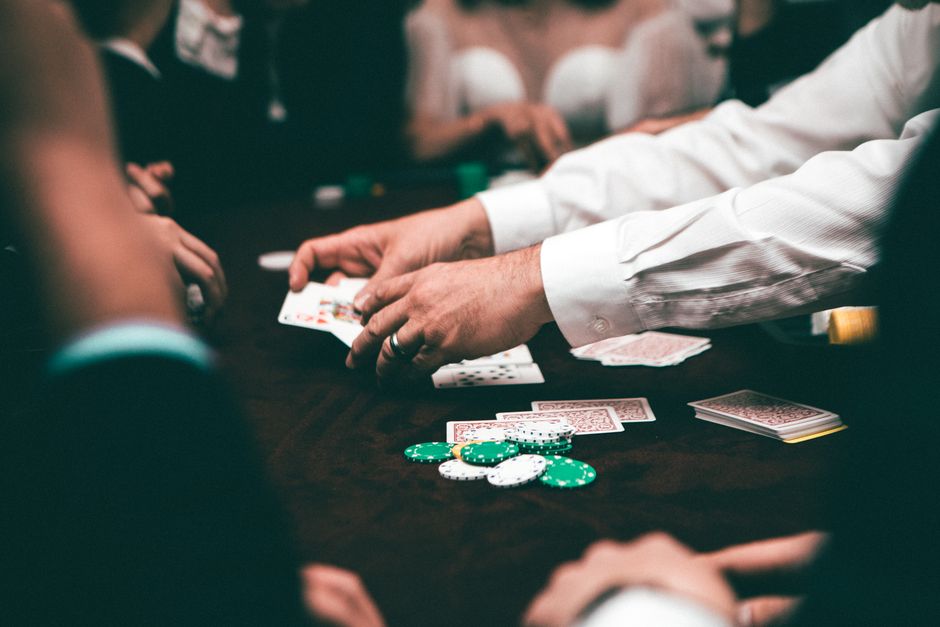
Most people lose at casino games for the same reason they lose at the stock market: they fall in love with a story instead of reading the numbers. The slot machine that "hasn't paid out all night," the poker table where "everyone's bluffing," the accumulator bet that "can't possibly lose." It's all narrative. The players who survive — and occasionally thrive — are the ones who understand variance, house edge, and their own psychology before they ever press spin or post a blind.
This isn't a lecture about quitting. It's a practical breakdown of how the four main pillars of iGaming — slots, casino table games, sports betting, and poker — actually work under the hood, and how to approach each one without lighting money on fire.
Everyone fixates on RTP (return to player). A 96% RTP slot sounds better than a 94% one, and over millions of spins, it is. But over the 200 spins you'll actually play in a session, RTP is almost irrelevant. What determines whether you walk away up, down, or busted is volatility.
Low-volatility slots pay small amounts frequently. You can grind a €50 balance for an hour on a 96.5% RTP low-variance game and never see your bankroll swing more than 30%. High-volatility slots — think the big Megaways titles or anything branded as a "max win 50,000x" game — will eat your balance for 400 spins and then either hand you a 900x hit or nothing at all. Neither style is "better." They're different tools.
One more thing: bonus buys. A €100 buy for a 96% RTP slot is mathematically the same as spinning €1 a hundred times, minus the entertainment value of watching it play out. Buy features only when you've already decided that €100 is gone. Treating buys as shortcuts to recovery is how bankrolls vanish in ninety seconds.
Blackjack, roulette, baccarat, craps — these are solved games. The house edge doesn't care about your gut feeling or whether the dealer "has been hot." Your only real decisions are which variant to sit at and how much to bet.
Compare the edges honestly:
The pattern is obvious. If you're going to play table games, learn basic blackjack strategy — it's a chart you can memorise in an afternoon, and it cuts the house edge to less than half of what most casual players face. Avoid American roulette entirely unless you enjoy paying double for the same experience. Skip side bets. They exist because the math is brutal, not because they're fun.
Also, don't chase "streaks." Each spin, each deal, each roll is independent when the shoe or wheel is fair. The gambler's fallacy — the belief that red is "due" after seven blacks — costs more money than any bad rule variation on the floor. We found https://debet.poker/ to be a handy reference here.
The single most underrated skill in sports betting isn't predicting winners. It's line shopping. If Book A has Manchester City at -110 and Book B has them at -125, taking Book A is worth roughly 2% extra expected value over the course of a season. That edge is the difference between a break-even bettor and a profitable one.
A few practical rules that separate recreational bettors from sharp ones:
Parlays and same-game multipliers are the casino's favourite product for a reason: they combine multiple small edges into one large one, then add a vig on top. They're fun. They're also a 20%+ edge against you in many cases. Occasional small-stake parlays are fine; making them your primary strategy is a slow bleed.
Poker is the exception in iGaming. The house takes a rake, not a fixed edge per hand, and the best players genuinely beat the game over hundreds of thousands of hands. That's also why poker is harder than it looks to beginners.
Three concepts matter more than any "trick" you'll read about:
Also, accept variance. A 5% ROI tournament player can easily lose for 100 tournaments in a row and still be profitable long-term. If you can't emotionally absorb a 30-buy-in downswing, drop a stake. Ego is expensive at the poker table.
Across every vertical in iGaming, the winners share three habits: they know the house edge (or rake) they're facing, they size their bets according to a defined bankroll, and they never let a losing session dictate the next decision. Slots, blackjack, football accumulators, and poker tournaments are all just games of numbers dressed up in narrative. The narrative is what makes them fun. The numbers are what keep you solvent. Keep the two separate, and you'll actually enjoy the time you spend playing — which, in the end, is the only return that's guaranteed.

Gm Building Design No rushing, no fuss — just thoughtful notes and practical help, written by people who care.

April 25, 2019 at 10:46 am
Take in the iconic skyline and visit the neighbourhood hangouts that you've only ever seen on TV. Take in the iconic skyline and visit the neighbourhood.


Want to be notified when we launch a new template or an udpate. Just sign up and we'll send you a notification by email.


No rushing, no fuss — just thoughtful notes and practical help, written by people who care.

Soldman Kell
April 25, 2019 at 10:46 am
Take in the iconic skyline and visit the neighbourhood hangouts that you've only ever seen on TV. Take in the iconic skyline and visit the neighbourhood.